Global Economic Outlook 2025: Key Trends for Business Leaders

As 2025 unfolds, business leaders around the world are navigating an economic landscape that is both challenging and full of opportunity. From shifting trade flows to technological breakthroughs, the global economy is being reshaped in ways that demand agility, foresight, and strategic decision-making.
Here are the key trends business leaders should watch in 2025.
1. Slower but Stable Global Growth
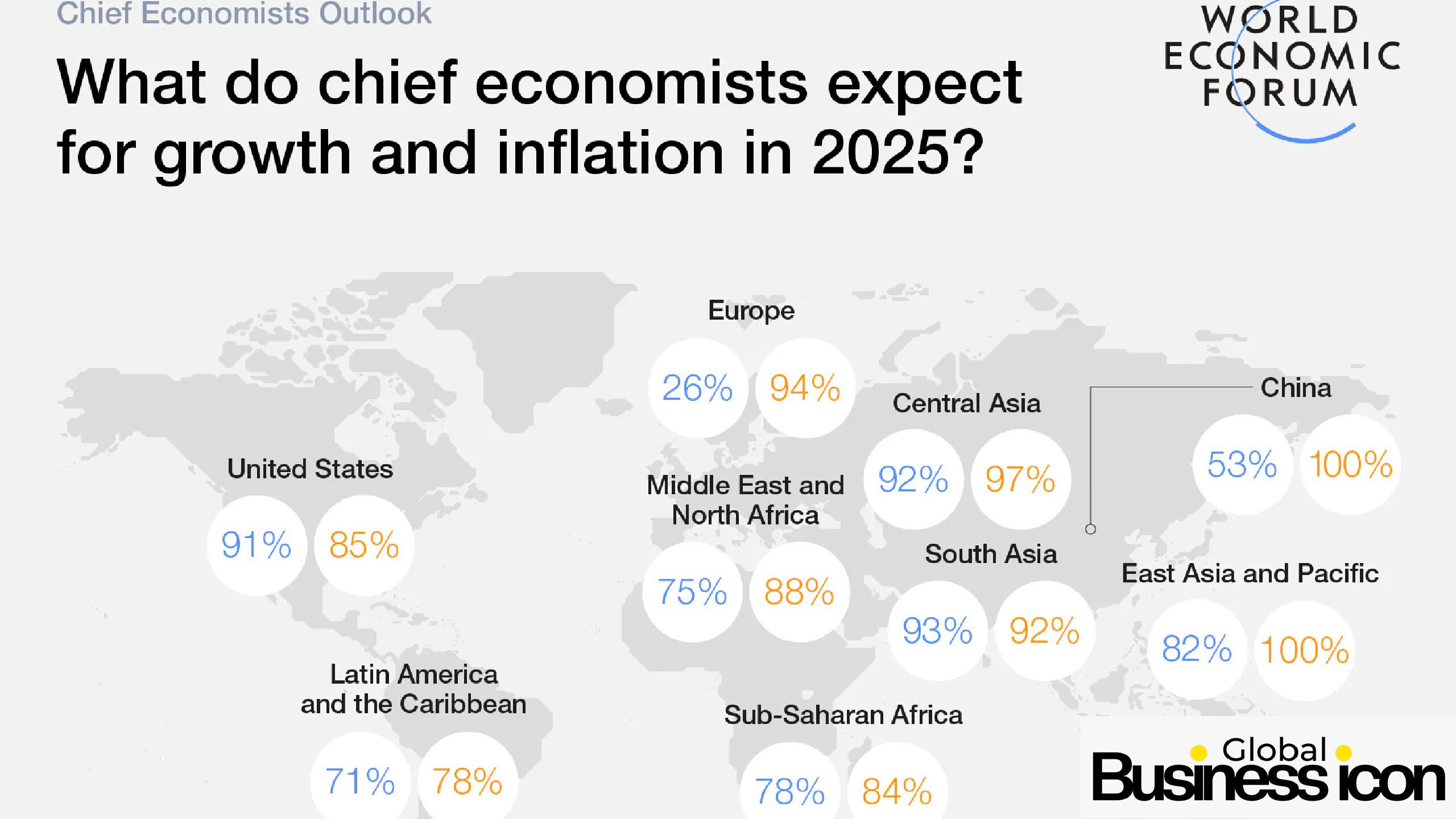
The global economy is expected to grow modestly in 2025. While emerging markets in Asia, the Middle East, and Africa are driving expansion, advanced economies are likely to see slower growth due to high interest rates and cautious consumer spending. Stability — not rapid growth — will define this year’s outlook.
2. Inflation Pressures Easing, but Not Gone
After years of high inflation, price pressures are finally cooling in many regions. However, costs for energy, housing, and food remain elevated in some markets. For businesses, this means carefully managing supply chains and pricing strategies to stay competitive without eroding margins.
3. Shifting Trade Dynamics
Geopolitical tensions are reshaping global trade. Companies are diversifying supply chains to reduce dependence on single regions, especially in manufacturing and critical technologies. Expect to see more nearshoring and regional trade agreements as businesses look for resilience over efficiency.
4. Technology as a Growth Driver
Artificial intelligence, automation, and digital transformation are no longer optional. In 2025, companies that successfully integrate AI and advanced analytics into their operations will gain a significant edge in efficiency and innovation. Business leaders must view technology adoption as a core strategy, not just an add-on.
5. Energy Transition and Sustainability
The push for cleaner energy and sustainable business practices is accelerating. Governments are introducing stricter climate policies, and investors are prioritizing ESG (Environmental, Social, and Governance) metrics. Businesses that align with sustainability goals will attract capital, talent, and long-term customer loyalty.
6. Labor Market Evolution
Workforce dynamics are changing. Hybrid work remains popular, but businesses are also facing skills shortages in areas like technology, engineering, and renewable energy. Investing in talent development and flexible work models will be crucial to stay competitive.
7. Rising Role of Emerging Markets
While advanced economies slow down, emerging markets are stepping into the spotlight. Countries in Asia, the Middle East, and Africa are seeing strong consumer demand, infrastructure investment, and digital adoption. For business leaders, these markets represent the biggest opportunities for growth.
8. Geopolitical Uncertainty
From trade disputes to regional conflicts, political risk is a constant factor in 2025. These uncertainties create market volatility but also open doors for companies that can adapt quickly. Scenario planning and strong risk management are more important than ever.
What Business Leaders Should Do in 2025
-
Stay agile: build strategies that adapt quickly to market shifts.
-
Invest in technology: AI and digital tools are critical for growth.
-
Prioritize sustainability: align with global energy transition goals.
-
Diversify markets: explore emerging economies for new opportunities.
-
Strengthen resilience: prepare for supply chain disruptions and political risks.
Final Thoughts
The global economic outlook for 2025 is one of moderate growth, cautious optimism, and rapid transformation. Business leaders who embrace technology, focus on sustainability, and position themselves in high-growth markets will be best placed to thrive.