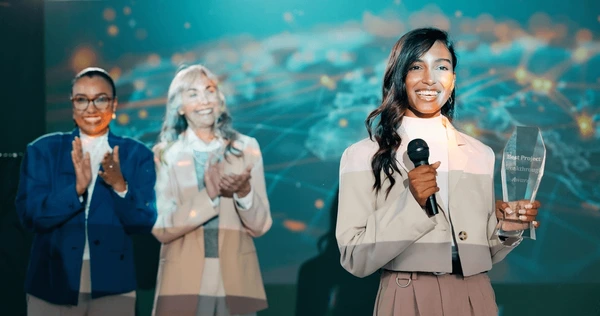

Women’s Era: A New Chapter in Global Progress

The modern world is witnessing a powerful transformation often described as the Women’s Era. This is a time when women are not just part of society’s evolution—they are at the forefront of change. Whether in education, politics, science, sports, or entrepreneurship, women are proving that gender is not a limitation but a strength.
This new chapter in human history is not only about celebrating women’s achievements but also about creating structures where empowerment becomes permanent, not exceptional.

Redefining Identity and Purpose
For centuries, society often defined women through narrow roles—caretakers, homemakers, and nurturers. While these roles remain valuable, today’s women are also CEOs, innovators, leaders, and global influencers.
This shift is not just external; it is deeply rooted in how women view themselves. The Women’s Era is about self-belief, independence, and redefined purpose.
- Women are choosing careers aligned with passion rather than societal expectations.
- They are delaying or redesigning family structures to match their ambitions.
- Personal freedom is valued equally with professional success.
This balance of tradition and modernity is reshaping cultures worldwide.
Women in the Workforce: Breaking Invisible Ceilings
The Women’s Era is synonymous with breaking the glass ceiling—the invisible barriers that once limited women’s rise in the workplace.
- Corporate Leadership: More women are entering executive roles, challenging the stereotype of male-dominated boardrooms.
- Equal Opportunities: Global companies are investing in diversity and inclusion programs to bridge gender gaps.
- Flexible Work Models: Hybrid and remote work have empowered women to balance careers with personal responsibilities more effectively.
The shift is clear—workplaces that embrace gender equality are not only fairer but also more productive and innovative.
The Cultural Shift: From Silence to Voice
One of the most striking elements of the Women’s Era is the cultural transformation in how women’s voices are perceived.
- Media & Entertainment: Female actors, directors, and writers are creating narratives that challenge stereotypes and celebrate strong, authentic characters.
- Social Media Movements: Hashtags like #MeToo and #TimesUp have amplified women’s voices globally, creating awareness and accountability.
- Literature & Art: Women authors and artists are shaping culture by sharing experiences that were once silenced or ignored.
This era is about women speaking, being heard, and creating impact through their stories.
Women in Science and Technology
The contributions of women in science and technology are redefining what innovation looks like.
- Space Exploration: Astronauts like Kalpana Chawla and Christina Koch have become symbols of global inspiration.
- Medicine & Research: Women scientists are at the forefront of medical research, including breakthroughs in genetics, cancer treatment, and public health.
- Technology: Women are leading artificial intelligence, cybersecurity, and software development projects that define the digital future.
By entering and excelling in fields once considered male-dominated, women are shaping the technological foundation of tomorrow.
Education as the Gateway to Equality
Access to education is the cornerstone of the Women’s Era. With education, women gain the tools to challenge inequality, build careers, and inspire communities.
- Global Trends: More girls are now completing secondary education compared to previous generations.
- Rural Progress: NGOs and international organizations are ensuring that even in remote areas, young girls have access to learning.
- STEM Inclusion: Campaigns are encouraging girls to pursue careers in science, technology, engineering, and mathematics.
When women are educated, entire nations rise—because educated women raise healthier families, influence economies, and lead societal change.
Women in Politics: Shaping Nations
The Women’s Era has also brought a wave of female political leadership. From local councils to global organizations, women are redefining governance.
- Leaders like Sanna Marin (Finland) and Tsai Ing-wen (Taiwan) have earned global respect for their progressive policies.
- Grassroots leaders in villages and towns are ensuring inclusive decision-making for communities.
- Women politicians are championing policies on healthcare, education, climate, and gender equality.
Politics is no longer a male-dominated space—women are proving that leadership thrives when it is diverse.
Sports: Breaking Barriers of Strength and Skill
The Women’s Era has also revolutionized sports. Female athletes are no longer seen as secondary to men; they are celebrated as icons in their own right.
- Serena Williams redefined tennis with her power and resilience.
- Mary Kom showed that determination can overcome all odds in boxing.
- Simone Biles became an international symbol of excellence in gymnastics.
These athletes inspire millions, proving that women are equally capable of achieving greatness in competitive arenas.
The Role of Men in the Women’s Era
While the focus is on women’s achievements, the Women’s Era is not about competition between genders—it’s about collaboration. Men play a vital role in supporting equality:
- Encouraging daughters, sisters, and wives to pursue their dreams.
- Advocating for equal pay and fair workplace policies.
- Sharing responsibilities at home, breaking away from outdated gender roles.
True empowerment happens when men and women work together to create an inclusive world.
Global Challenges That Remain
Despite progress, there are still obstacles that hold women back:
- Unequal Pay – Women are still paid less than men in many industries.
- Violence & Harassment – Millions of women face abuse and workplace harassment daily.
- Cultural Restrictions – In some regions, women still struggle for basic rights such as education and healthcare.
- Representation – Women remain underrepresented in senior leadership, politics, and global decision-making bodies.
The Women’s Era is about addressing these issues head-on, ensuring that empowerment reaches every woman, everywhere.
The Future of the Women’s Era
Looking ahead, the Women’s Era will be marked by:
- Policy Reforms ensuring equal opportunities in all sectors.
- Technological Access giving women more platforms to innovate and lead.
- Mentorship Programs where established women guide the next generation.
- Cultural Acceptance where gender stereotypes are permanently dismantled.
The future is not just about women rising—it’s about society evolving into a more just and balanced system.
Conclusion
The Women’s Era is more than a chapter in history—it is the story of resilience, courage, and transformation. Women are no longer silent participants but powerful leaders shaping the destiny of nations.
This era is about celebrating achievements while continuing the fight for equality, fairness, and respect. It is a reminder that empowering women means empowering humanity.
The Women’s Era is not just here—it is the foundation of the future.