The Role of Blockchain in Global Trade and Finance

The world of global trade and finance is evolving faster than ever — and blockchain technology is at the heart of this transformation.
What started as the foundation of cryptocurrencies has now become one of the most powerful tools for transparency, security, and efficiency in international business.
From cross-border payments to supply chain tracking, blockchain is helping companies and governments build a faster, more reliable, and more connected global economy.
1. Understanding Blockchain: More Than Just Crypto
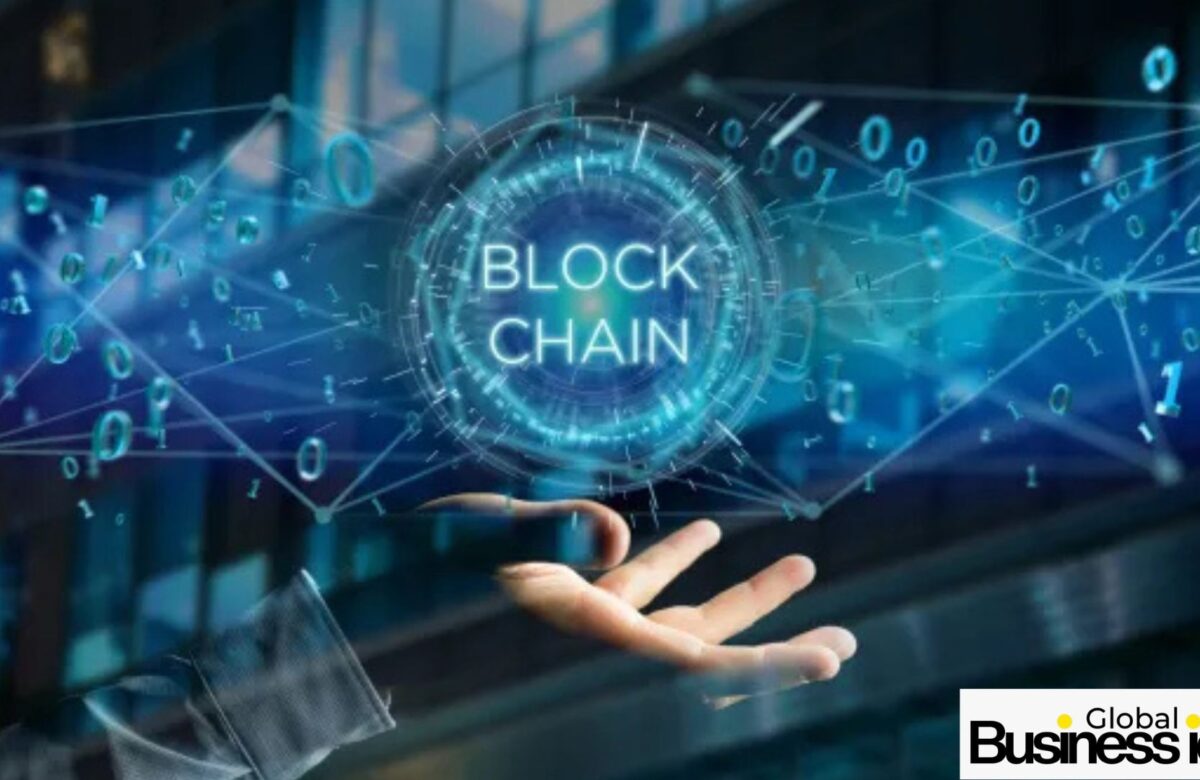
Blockchain is a decentralized digital ledger that records transactions securely and transparently.
Unlike traditional systems managed by banks or intermediaries, blockchain allows multiple parties to access and verify data in real time — without the need for middlemen.
💡 Think of it as a digital record book that everyone can trust, but no one can alter.
This simple yet powerful concept is transforming how businesses manage transactions, contracts, and assets on a global scale.
2. Transforming Global Trade
International trade often faces challenges like paper-based documentation, delays, and fraud risks. Blockchain addresses these by offering:
📦 Transparency: Every transaction is recorded and time-stamped, reducing disputes and paperwork.
🚢 Efficiency: Smart contracts automatically execute trade agreements once conditions are met.
🧾 Traceability: Goods can be tracked from production to delivery, ensuring authenticity.
🌍 Example:
Maersk and IBM’s TradeLens platform (built on blockchain) has revolutionized supply chain visibility by allowing shippers, ports, and customs authorities to access the same trusted data.
For Gulf countries — where logistics and trade play a central role — blockchain offers a path to faster, smarter, and more secure trade operations.
3. Redefining Global Finance
In finance, blockchain is driving a shift toward digital trust and decentralized systems.
🏦 Key applications include:
-
Cross-border payments: Blockchain reduces transaction times from days to seconds.
-
Digital currencies (CBDCs): Central banks in the UAE and Saudi Arabia are testing blockchain-based currencies for secure, real-time transfers.
-
Trade finance: Banks use blockchain to automate letters of credit and verify trade documents instantly.
💰 Impact: Faster payments, reduced costs, and better compliance — creating a more inclusive and efficient financial system.
4. Benefits for Businesses and Investors
Adopting blockchain brings tangible advantages to companies engaged in global trade:
✅ Reduced costs by eliminating intermediaries.
✅ Improved transparency across supply chains and financial records.
✅ Enhanced security against fraud and data tampering.
✅ Faster transactions and simplified documentation.
📈 For investors, blockchain also opens new asset classes like tokenized real estate, commodities, and securities, making global markets more accessible.
5. The Middle East: A Growing Blockchain Hub
The Gulf region is rapidly embracing blockchain as part of its digital transformation strategy.
🇦🇪 UAE: Dubai aims to become the first government fully powered by blockchain. Its Dubai Blockchain Strategyintegrates blockchain in healthcare, real estate, and finance.
🇸🇦 Saudi Arabia: The Saudi Central Bank is exploring blockchain for financial settlements and trade finance under Vision 2030.
🇶🇦 Qatar and Bahrain: Both are developing fintech ecosystems that leverage blockchain for digital payments and compliance.
These initiatives are positioning the Middle East as a global leader in blockchain innovation and adoption.
6. Challenges Ahead
Despite its potential, blockchain adoption faces hurdles:
⚠️ Regulatory uncertainty in some regions.
⚙️ Integration difficulties with legacy systems.
🔐 Cybersecurity risks and the need for skilled professionals.
However, with increasing investment, education, and collaboration between governments and businesses, these challenges are being addressed — paving the way for broader implementation.
Final Thoughts
Blockchain is not just changing how money moves — it’s redefining how trust and transparency work in the global economy.
For trade, finance, and business, it promises a future that is faster, safer, and more inclusive.