How Trade Wars and Alliances Are Reshaping Global Markets

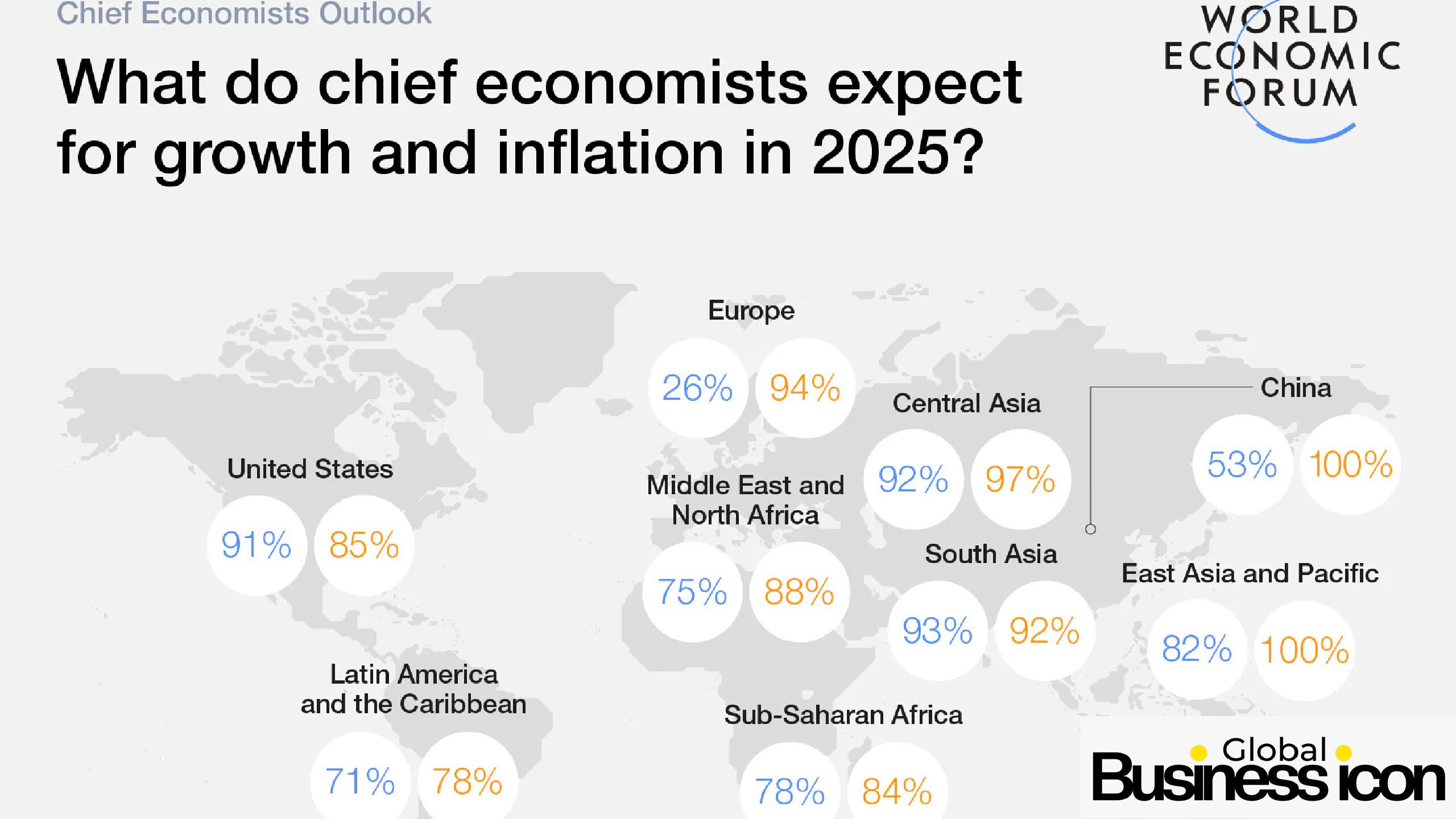
Global markets in 2025 are being shaped not only by technology and innovation but also by geopolitics. Trade wars, tariffs, and shifting alliances are rewriting the rules of global commerce. For businesses and investors, this means both challenges and fresh opportunities.
Let’s explore how these shifts are playing out.
1. Trade Wars: From Tariffs to Technology
Trade wars used to mean tariffs on goods like steel or agricultural products. In 2025, the battlefield has expanded to technology, energy, and critical minerals. Nations are competing to secure supply chains for semiconductors, rare earths, and clean energy components.
For businesses, this means higher costs and more uncertainty — but also the chance to diversify suppliers and invest in emerging industries.
2. Regional Alliances Gain Power
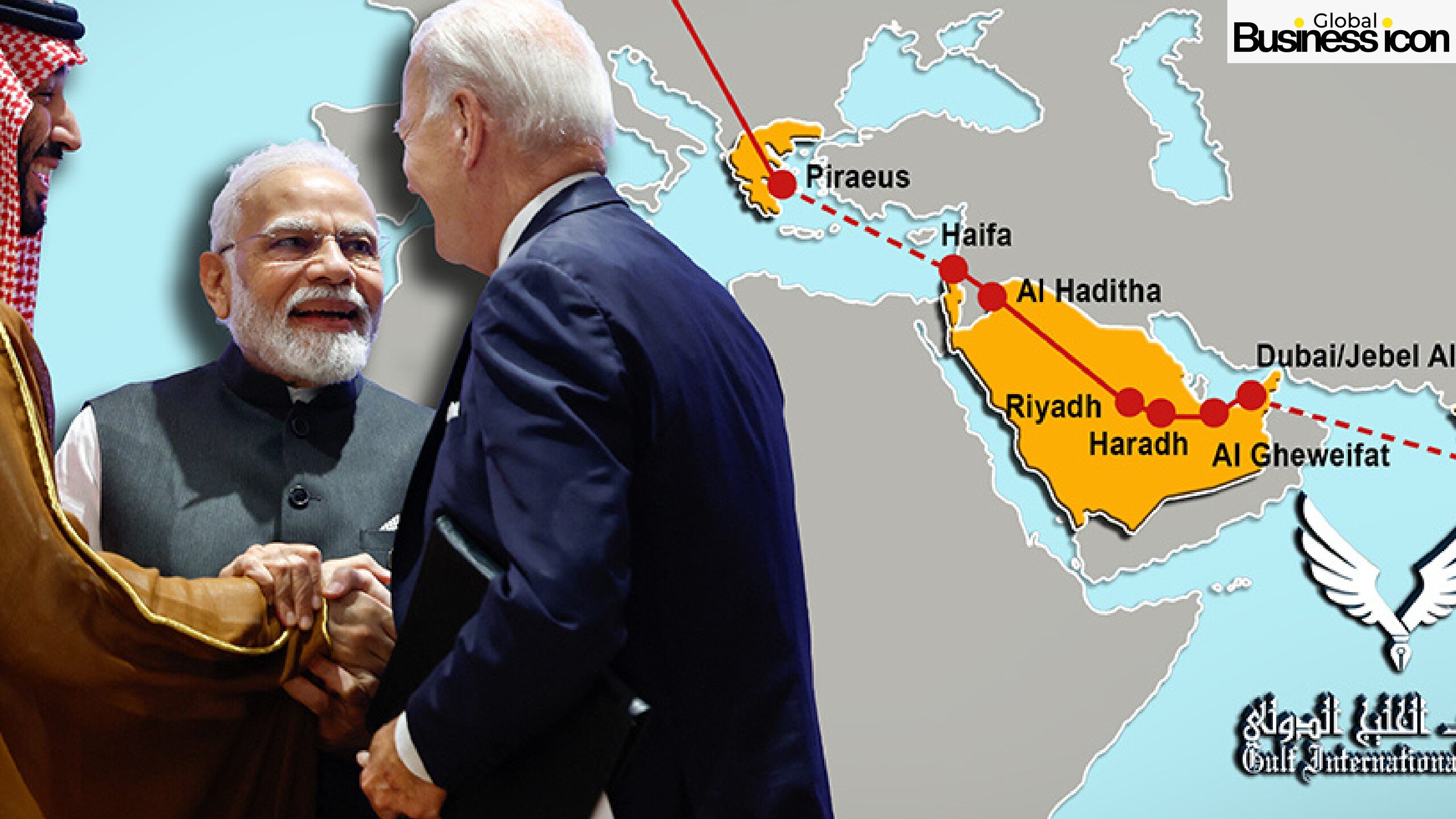
As global tensions rise, countries are leaning more on regional trade blocs. In Asia, partnerships under the Regional Comprehensive Economic Partnership (RCEP) are deepening. In Europe, the EU continues to strengthen internal trade resilience. The Middle East is pushing forward with cross-border energy and logistics projects.
These alliances create new opportunities for companies that can adapt to regional trade rules and build partnerships across borders.
3. Supply Chains Under Transformation
Global supply chains are no longer built only for efficiency. Instead, resilience is now the priority. Businesses are “nearshoring” and “friendshoring” — moving production closer to home or to politically aligned nations.
This shift is creating winners (countries with stable, low-cost labor and strong infrastructure) and losers (markets seen as risky or unstable).
4. Impact on Global Markets
-
Commodities: Energy and agriculture prices remain sensitive to political disputes.
-
Currencies: Trade conflicts often push investors into “safe-haven” currencies like the US dollar or Swiss franc.
-
Equities: Markets in countries with strong alliances and open trade policies are attracting more long-term capital.
5. Opportunities Amid Uncertainty
While trade wars create volatility, they also open doors. Businesses that can adapt quickly — by building flexible supply chains, exploring new markets, and adopting technology — are well-positioned to benefit.
Alliances also bring opportunities: access to new customer bases, smoother regulations, and more stable long-term trade relationships.
What Leaders Should Focus On
-
Scenario planning: prepare for sudden policy shifts.
-
Diversification: spread suppliers and markets across regions.
-
Technology adoption: use digital tools to track and manage supply chains.
-
Partnerships: align with allies that offer long-term stability.
Final Thoughts
Trade wars and alliances are no longer background noise — they are central to how global markets work in 2025. The key for businesses and investors is to stay agile. Those who prepare for disruption, while leveraging new alliances, will not just survive but thrive in this new era of global trade.