
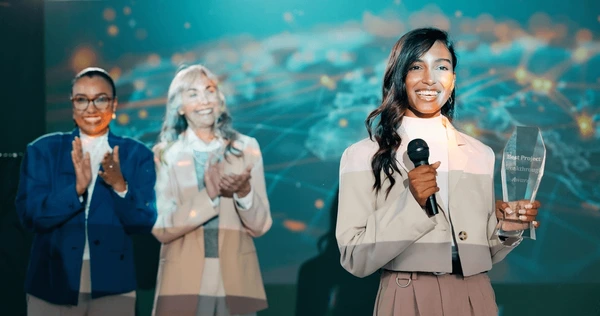
Women’s Era: Redefining Empowerment and Equality

The 21st century is often described as the Women’s Era—a time when women across the globe are claiming their rightful place as leaders, innovators, entrepreneurs, and changemakers. From politics and business to technology and education, women are shaping the narrative of progress like never before.
This is not just a social shift; it is a global revolution that emphasizes empowerment, equality, and opportunity.

The Evolution of Women’s Roles
Women’s empowerment did not happen overnight. It has been the result of centuries of struggle, courage, and resilience.
- In ancient times, women held positions of power in various civilizations—whether as queens, priestesses, or strategists.
- Over time, social structures and cultural norms limited their influence, restricting them to household roles.
- The suffragette movement of the 19th and early 20th centuries marked a turning point, with women fighting for the right to vote and participate in governance.
- The late 20th century saw women entering universities, workplaces, and leadership positions in greater numbers.
Today, women are no longer waiting for opportunities—they are creating them.
Women in Business and Entrepreneurship
The Women’s Era is marked by a surge in female entrepreneurship. Women-owned businesses are growing faster than those owned by men in many regions.
- Technology Startups: Women like Whitney Wolfe Herd (founder of Bumble) and Reshma Saujani (founder of Girls Who Code) are driving change in the tech industry.
- Sustainable Enterprises: Many women entrepreneurs focus on social impact, sustainability, and community growth—blending profit with purpose.
- Small Businesses: Millions of women are running small enterprises, often balancing them alongside family responsibilities, proving that determination has no boundaries.
According to studies, businesses led by women often report higher employee satisfaction, stronger ethics, and greater resilience during economic downturns.
Education: The Foundation of Change
Education has been the catalyst of transformation for women worldwide. Access to learning has not only empowered women personally but also changed the trajectory of entire societies.
- STEM Breakthroughs: More women are choosing careers in science, technology, engineering, and mathematics—fields once dominated by men.
- Scholarship Initiatives: Governments and NGOs are investing in programs that ensure girls from underprivileged backgrounds can continue schooling.
- Breaking Myths: Women excelling in research, innovation, and leadership are debunking the outdated belief that education is less important for girls.
When a woman is educated, she uplifts her family, community, and ultimately, the nation.
Women in Leadership and Politics
The Women’s Era is also about political power and leadership. Women leaders are demonstrating how empathy, inclusivity, and decisiveness can transform governance.
- Jacinda Ardern (New Zealand): Known for her compassionate leadership during crises.
- Kamala Harris (USA): Breaking barriers as the first female, first Black, and first South Asian Vice President.
- Angela Merkel (Germany): A global symbol of stability and strong leadership for over a decade.
Such leaders prove that politics is no longer a male-dominated space; women bring new dimensions of strength and vision.
Women as Changemakers in Society
Beyond business and politics, women are driving social revolutions.
- Climate Change: Activists like Greta Thunberg are global voices for environmental action.
- Human Rights: Women-led organizations fight for gender equality, reproductive rights, and education for girls.
- Community Development: Rural women are leading initiatives in healthcare, microfinance, and agriculture, transforming lives at the grassroots level.
These examples show how women are not just part of change—they are leading it.
Challenges That Still Exist
Despite progress, the Women’s Era faces hurdles:
- Gender Pay Gap – Women are still paid less than men for the same roles in many industries.
- Workplace Discrimination – Bias and stereotypes continue to hinder promotions and opportunities.
- Access to Capital – Women entrepreneurs often face greater difficulty securing funding compared to men.
- Cultural and Social Norms – In some societies, women still struggle for basic rights and freedoms.
The Women’s Era is about not just celebrating achievements, but also addressing these challenges with collective effort.
Technology and Women’s Empowerment
Digital platforms have unlocked new opportunities for women across the globe.
- Remote Work: Flexibility allows women to balance professional and personal life more effectively.
- E-Commerce: Women can start businesses online with minimal investment.
- Digital Learning: Platforms like Coursera, Udemy, and Khan Academy help women acquire new skills and certifications from anywhere.
- Social Media: Women are leveraging platforms to influence, educate, and inspire millions worldwide.
Technology has become a powerful equalizer, ensuring that location, culture, or circumstances no longer limit ambition.
The Economic Impact of Women
Women are not just contributing socially—they are central to economic progress.
- McKinsey predicts that advancing gender equality could add $12 trillion to the global economy by 2025.
- Companies with gender-diverse leadership report higher profitability.
- Nations that prioritize women’s participation in the workforce experience faster development.
The Women’s Era is not only a matter of fairness but also a strategic advantage for global growth.
Inspirational Women of the 21st Century
Here are some modern icons shaping the Women’s Era:
- Oprah Winfrey – Media mogul and philanthropist inspiring millions.
- Malala Yousafzai – Youngest Nobel Prize laureate advocating for girls’ education.
- Serena Williams – Champion athlete redefining women’s role in sports.
- Indra Nooyi – Former CEO of PepsiCo, a symbol of women in corporate leadership.
- Priyanka Chopra Jonas – Global actress and humanitarian voice.
Their journeys highlight how women are excelling in diverse fields, from entertainment to activism.
The Future of the Women’s Era
Looking ahead, the Women’s Era promises even greater milestones:
- Closing the Pay Gap – Equal pay for equal work.
- Inclusive Workplaces – Policies that support diversity, maternity benefits, and work-life balance.
- Global Movements – Continued advocacy for rights in regions where women remain marginalized.
- Next-Generation Leaders – Young women stepping into politics, business, and innovation.
The future will be built on collaboration, equality, and empowerment, with women playing a central role in every sphere of life.
Conclusion
The Women’s Era is more than just a phase—it is a revolution of resilience, empowerment, and progress. It represents a world where women are no longer on the sidelines but are active participants and leaders shaping history.
By recognizing their achievements, addressing ongoing challenges, and creating equal opportunities, society is not only empowering women but also securing a brighter and more prosperous future for all.